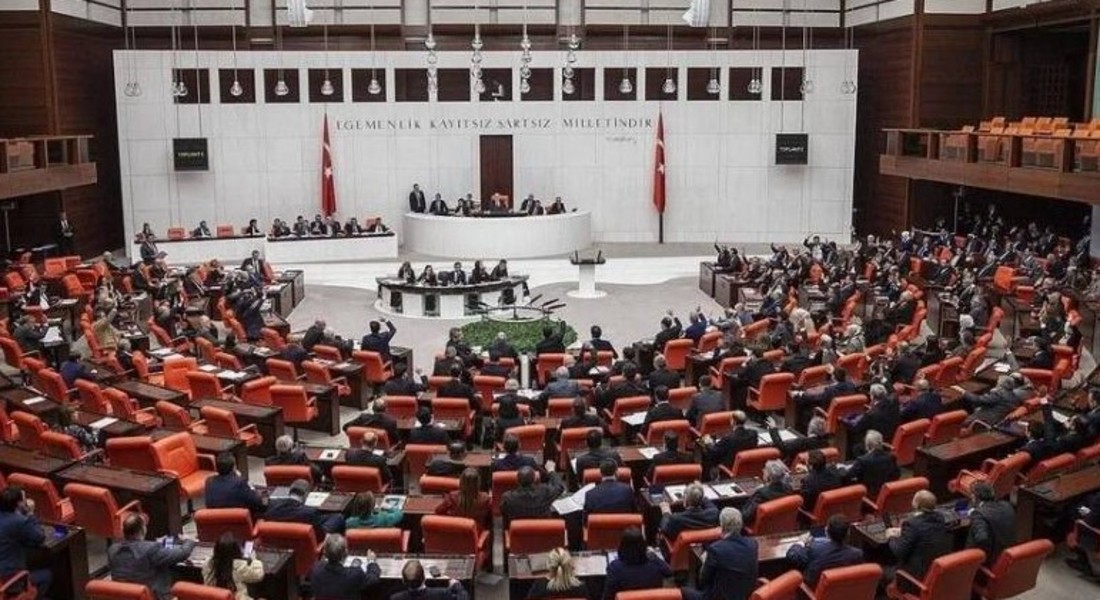
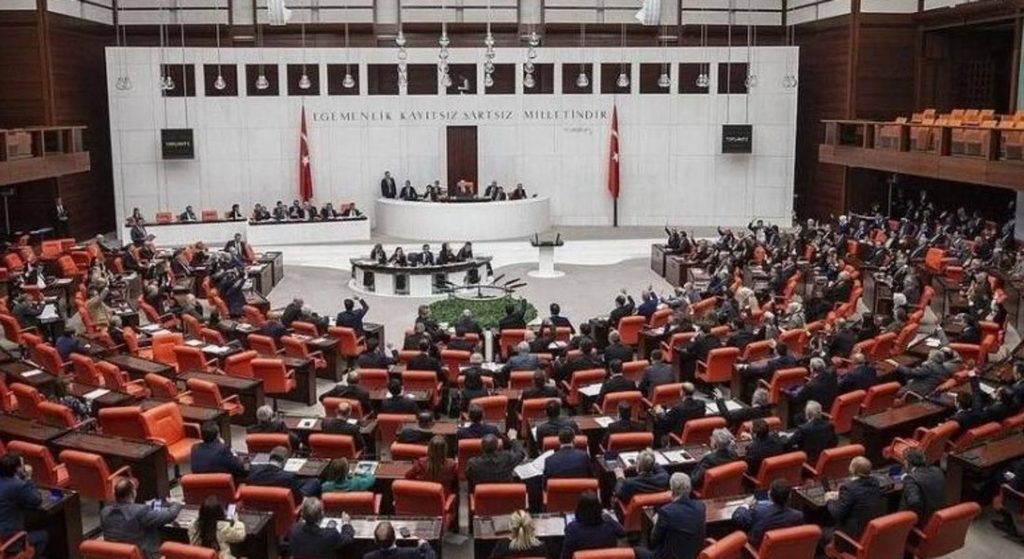
ANKARA: Turkey’s parliament on Thursday approved the Makkah Joint Defence Agreement, a defence pact between Pakistan, Saudi Arabia and Turkey. This allows Ankara to send military support to Riyadh amid attacks by Yemen’s Houthi group.
The bill, officially called the Bill on the Approval of the Makkah Agreement on Joint Defence between Turkey, Pakistan and Saudi Arabia, passed in the General Assembly after lawmakers debated it.
During the debate, ruling Justice and Development Party (AK Parti) lawmaker Ziya Altunyaldiz said the agreement aims to increase security cooperation in the region. He said it is not directed against any other country and is mainly meant to prevent conflict, not make it worse.
Opposition lawmakers raised concerns about the agreement’s limits and oversight. Mehmet Guzelmansur of the Republican People’s Party (CHP) said there should be clear rules to make sure the agreement does not conflict with Turkey’s other international commitments.
Turkey, Saudi Arabia and Pakistan signed the agreement at a three-country summit in Makkah on August 7. They pledged to improve shared security, expand defence cooperation and support peace and stability in the region and beyond.
Under the agreement, an attack on one country is treated as an attack on all three.
A ruling party lawmaker told Reuters last month that Turkey would also ask parliament to approve sending military personnel to Saudi Arabia under the pact.
Iran sent nuclear proposal to US through Qatar
Iran has sent the United States a nuclear proposal through Qatar. The proposal will be discussed only after Washington meets Tehran’s seven demands, a senior Iranian official told Reuters on Thursday.
The official, who spoke without giving their name, said the US was reviewing the proposal but gave no further details, Reuters reported.
Mediators have stepped up efforts to end the war between Iran and the United States. They fear fighting could start again after the US midterm elections. On Tuesday, Trump did not rule out restarting military operations after the vote. Iran said it would respond more widely if the war resumes.
Iran’s top security official, Mohsen Rezaei, said earlier on Thursday during a visit to Russia: “On the issue of diplomacy, we have announced seven conditions to the Americans. As long as they do not meet our seven conditions, we will neither open the Strait of Hormuz nor hold negotiations.”
Iran has called for US sanctions to be lifted, frozen Iranian money to be released and war reparations to be paid, among other demands. Washington has said nuclear issues must be part of any first talks.
The US and Israel attacked Iran on February 28. Iran responded with attacks on Israel and Gulf countries that host US bases. Fighting also broke out in Lebanon between the Iran-backed Hezbollah group and Israel. More recently, the conflict spread to Yemen, where the Iran-aligned Houthis have attacked energy sites, airports and other targets in Saudi Arabia.
Saudi Arabia denies Houthis demanded $51 billion
A Saudi Foreign Ministry official on Thursday strongly denied a Wall Street Journal report published on Wednesday. The report claimed that the Houthi group had demanded $51 billion from Saudi Arabia and recognition as Yemen’s rulers in return for ending attacks.
In a post on X, Deputy Minister for Public Diplomacy Rayed Krimly said the report was “not true.” He called the claims made-up stories from the newspaper’s writers or their sources.
He accused the Houthis of fighting Yemen’s government, helping cause hunger in the country and drawing it into conflicts and plans that do not serve its people.
Krimly also accused the group of attacking ships in the Red Sea and civilian and economic sites, and of rejecting peace efforts.
He stressed that Yemen “already has an internationally recognized government.” — Agencies
Reported By: Our Correspondent