NEW YORK: Taxation of cross-border services and the resolution of international tax disputes are emerging as key priorities in United Nations negotiations aimed at developing a global framework for international tax cooperation.
The proposed United Nations Framework Convention on International Tax Cooperation seeks to address challenges in the existing international tax system and ensure that developing countries have a stronger role in shaping global tax policies.
According to the United Nations Department of Economic and Social Affairs (UN DESA), the negotiating process includes two early protocols alongside the main framework convention.
One protocol focuses on the taxation of cross-border services, while the other addresses the prevention and resolution of tax disputes.
These issues have significant implications for countries seeking to protect their tax revenues and respond to increasingly complex international economic activities.
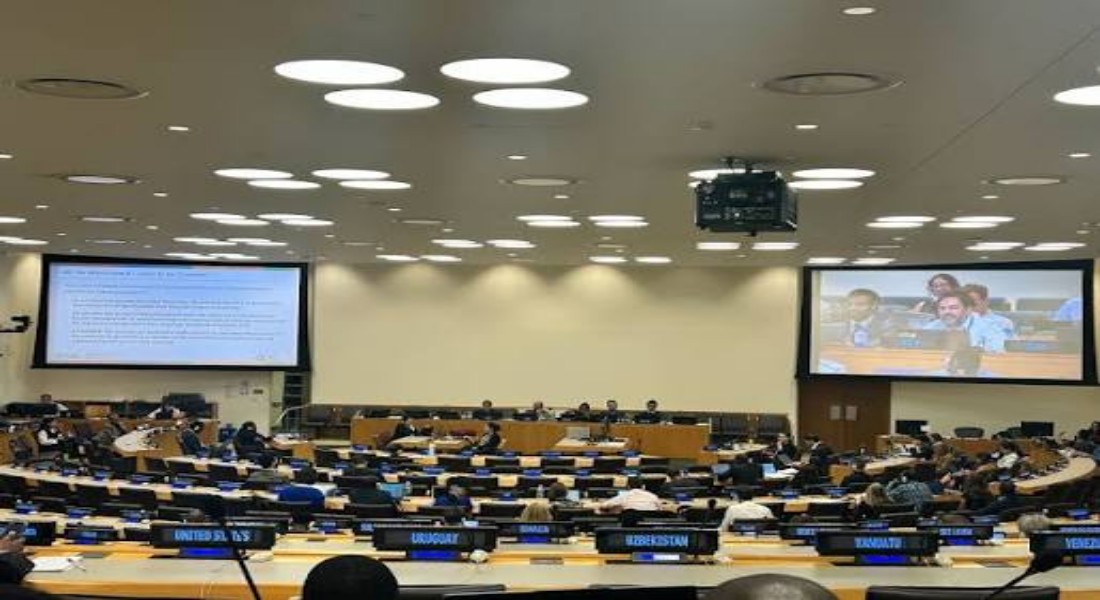
The Intergovernmental Negotiating Committee (INC) is leading negotiations through three dedicated workstreams, covering the convention and both protocols.
During its fifth session at UN Headquarters in New York from 3 to 13 August 2026, Member States were expected to examine concrete draft texts for the first time across all three workstreams.
The outcome of these discussions could influence the allocation of taxing rights among countries, the treatment of international services and the mechanisms used to settle tax disagreements.
The committee is following a three-year negotiating timetable comprising nine sessions, with the objective of presenting final texts to the United Nations General Assembly by 2027.
Reported By: Our Correspondent I Maqbool Mirza