By Shahzad Framosh
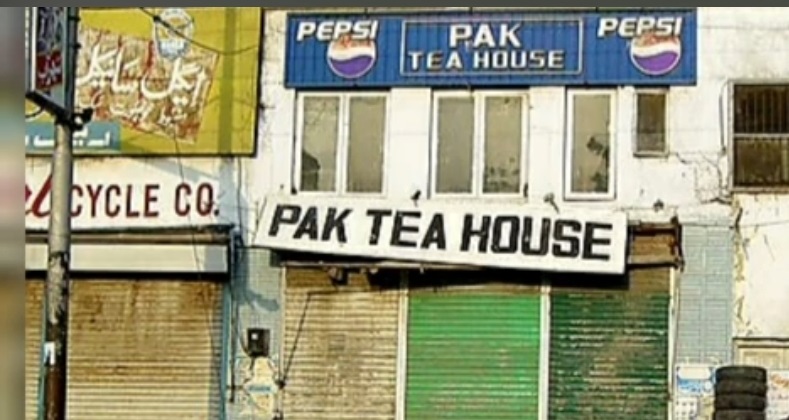
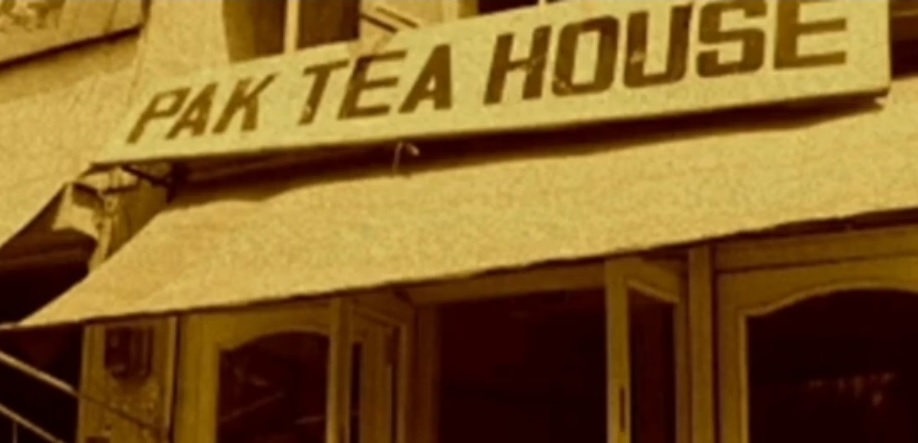
Pak Tea House: The Living Pulse of Lahore’s Literary Heritage
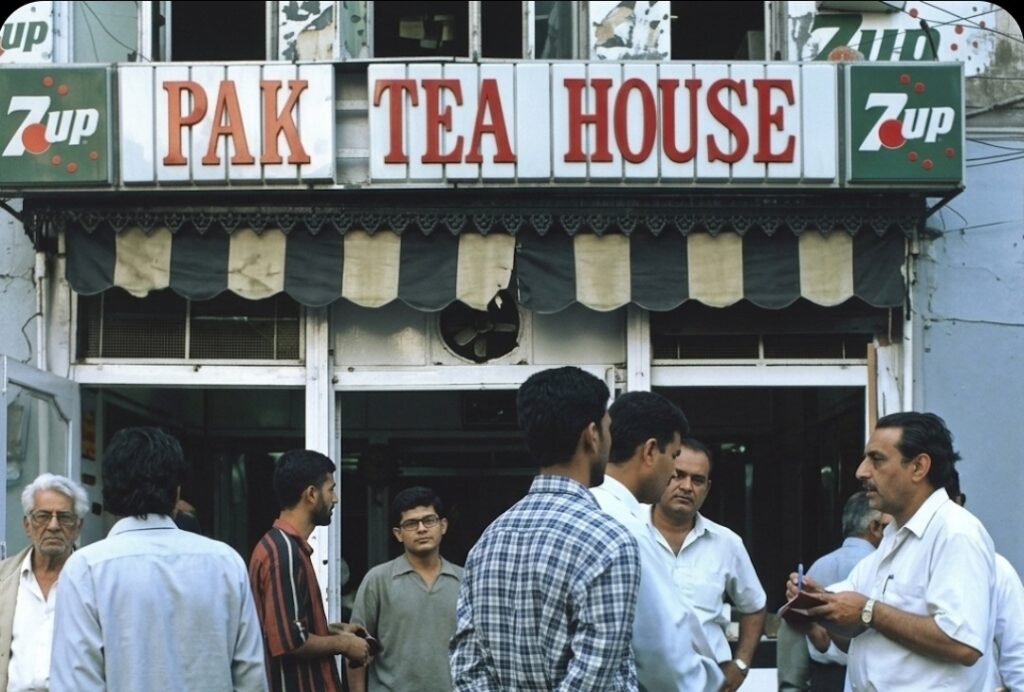
Pak Tea House, Lahore, originally known as “India Tea House” before the Partition, was managed by Boota Singh in the early 1940s. It was later acquired on lease by Sirajuddin. More than just a café, it is a sanctuary for intellectuals, a garden for men of letters, and a brilliant galaxy of poets.
Anyone seeking a glimpse of renowned writers can still feel the presence of countless legendary literary figures within its walls.
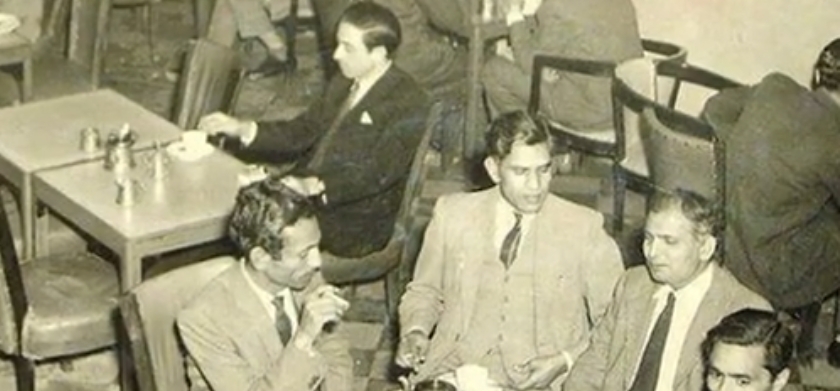
In its storied halls, giants of Urdu literature—such as Faiz Ahmed Faiz, Ahmad Nadeem Qasmi, Munir Niazi, Nasir Kazmi, Ashfaq Ahmed, Bano Qudsia, Munnu Bhai, Intizar Hussain, Mustansar Hussain Tarar, Abdullah Hussain, Amjad Islam Amjad, Asghar Nadeem Syed, Ahmad Bashir, Nasir Zaidi, Younis Javed, and Ata-ul-Haq Qasmi—engaged in profound intellectual discourse over cups of tea.
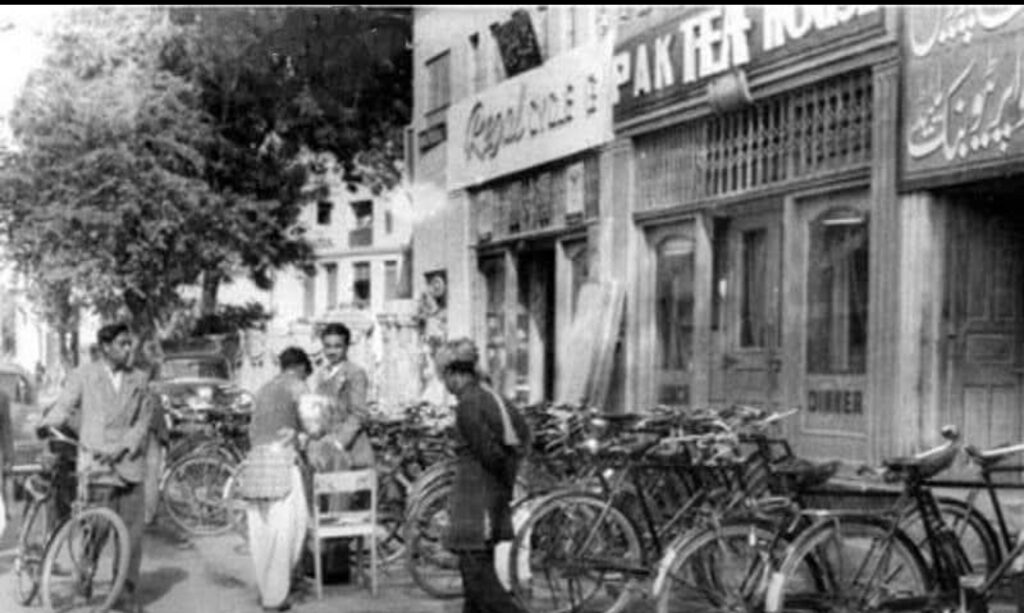
The critical sessions and philosophical debates held here have long provided fresh perspectives to the younger generation.
A Legacy Interrupted
For decades, Pak Tea House and Halqa-e-Arbab-e-Zauq have been two souls in one body. This venue served as the birthplace and epicenter of numerous literary and intellectual movements.
However, in the year 2000, when Zahid Hussain (son of Sirajuddin) sold the premises citing low profitability, the intellectual community felt as though they had lost their sanctuary.
This tragedy forced them onto the streets, sparking a relentless struggle for the restoration of this historical heritage. During this period, the weekly meetings of Halqa-e-Arbab-e-Zauq continued in the basement of Aiwan-e-Iqbal.
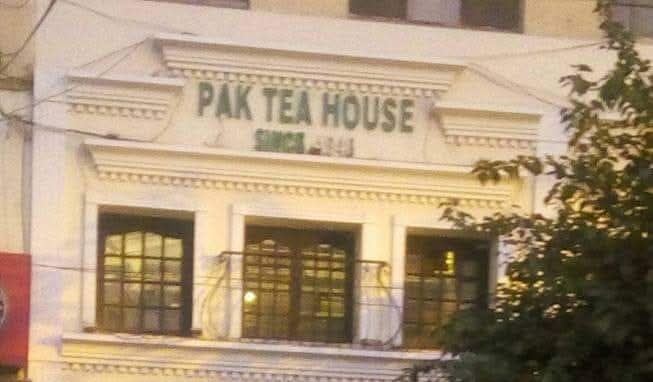
“I recall that in 2006, Meem Seen Butt and I saw the venue open one last time for the Halqa elections. As soon as the ceremony ended, the locks returned, yet a familiar literary fragrance lingered in the air.
Munir Niazi and Ruhi Kunjahi were also present to cast their votes. It was then, after a long hiatus, that I met the distinguished member Nasir Ali—a meeting that laid the foundation for a lifelong bond.”
A Global Landmark
Pak Tea House holds the distinction of being the first stop for poets and writers visiting Lahore from across the globe; participating in a session here is considered a badge of honor.
This site holds a status similar to Westminster Abbey’s Poets’ Corner in London—where memorials to Chaucer, Shakespeare, Milton, Dickens, and Keats draw enthusiasts—or the Vatican Apostolic Library, which preserves ancient manuscripts.
Pak Tea House is a living symbol of our literary wealth, further beautified by the portraits of legendary writers adorning its walls.
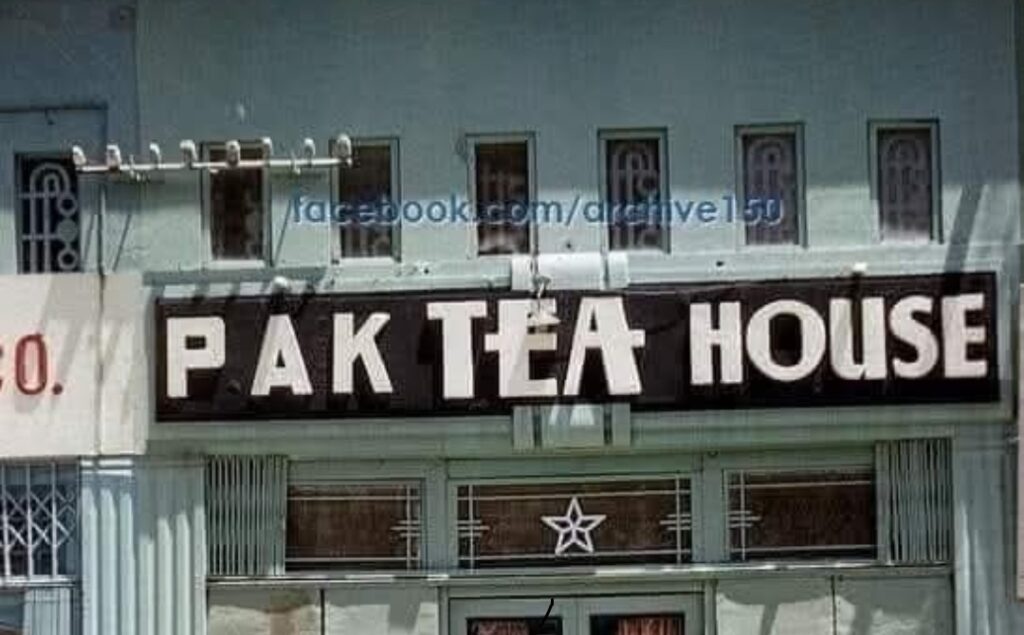
The Need for Expansion
After thirteen years of closure, the tea house was renovated and reopened in 2013 under the patronage of Mian Nawaz Sharif.
On that occasion, Ata-ul-Haq Qasmi rightly remarked that the closure of Pak Tea House had deprived us of vital literary, cultural, and social interaction, and its restoration breathed new life into these traditions.
Today, with Maryam Nawaz Sharif serving as the Chief Minister of Punjab, the intellectual community holds a justified expectation for the expansion of this historic institution.
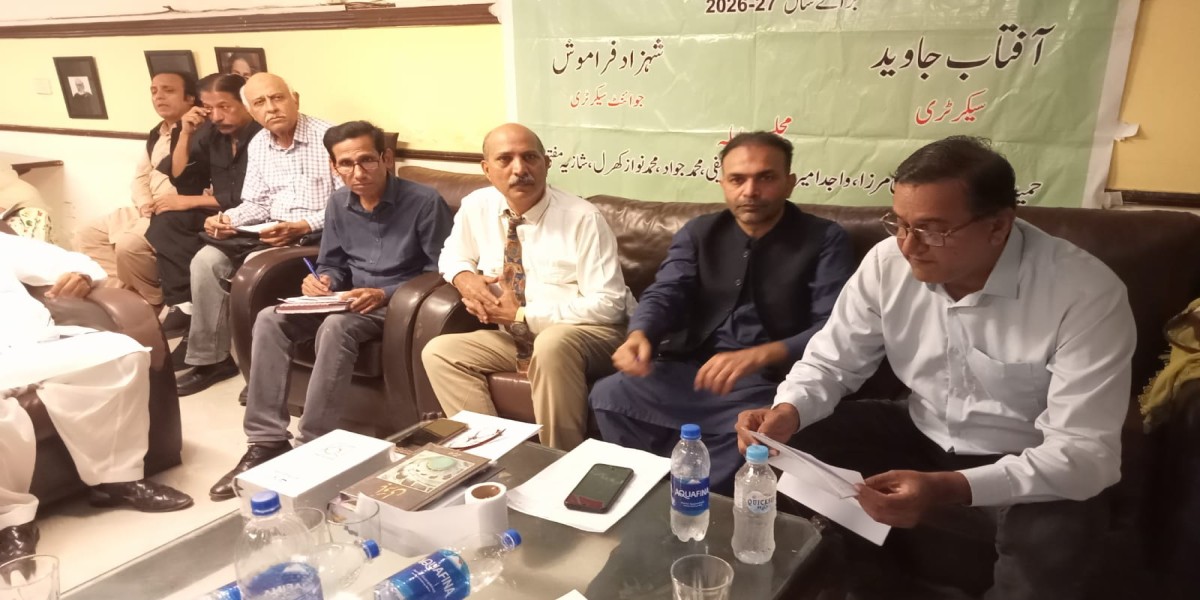
Currently, due to limited space, members of Halqa-e-Arbab-e-Zauq are often forced to stand during sessions. According to Secretary Aftab Javed, attendance frequently exceeds a hundred people, while the seating capacity is barely half that, and the room has become cramped. Furthermore, the air conditioning units are no longer functional.
A Call to Action
The literary community unanimously believes that if the adjacent shop—which is part of the YMCA building—is incorporated into Pak Tea House, the four hundred plus members of the Halqa and other enthusiasts could participate in these scholarly gatherings with dignity and ease.
Mian Nawaz Sharif, patron of the Lahore Authority for Heritage Revival (LAHR), and Chief Minister Maryam Nawaz Sharif are currently overseeing major development projects in the city, including the shrine of Hazrat Sheikh Abdul Razzaq Makki at Neela Gumbad Chowk and a nearby parking plaza.
If this relatively small but meaningfully significant expansion of Pak Tea House is undertaken, it would be a great favor to the literary world.
The writers of Lahore are already grateful to the leadership; expanding this historic center will not only promote literature but also ignite a passion for the arts in future generations. It would be a landmark achievement, signaling to the intellectual community that thinkers, writers, and poets remain a top priority for the leadership.
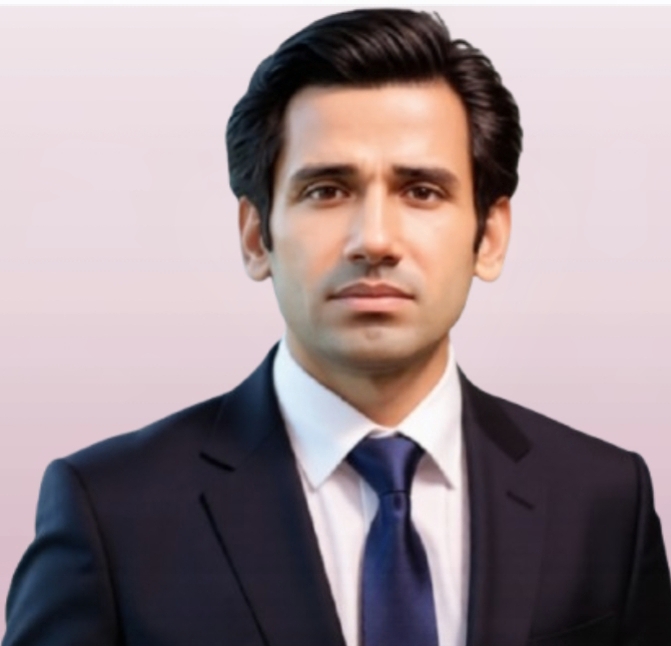 The writer Shahzad Framosh is a senior journalist, fiction writer, poet, and author of two books. He is a lifelong member of Lahore Press Club. He has served as the editor of two literary magazines and as a literary editor and in charge of many national newspapers. His column is published under the name “Naqabl-e-Framosh” in Urdu newspapers.