
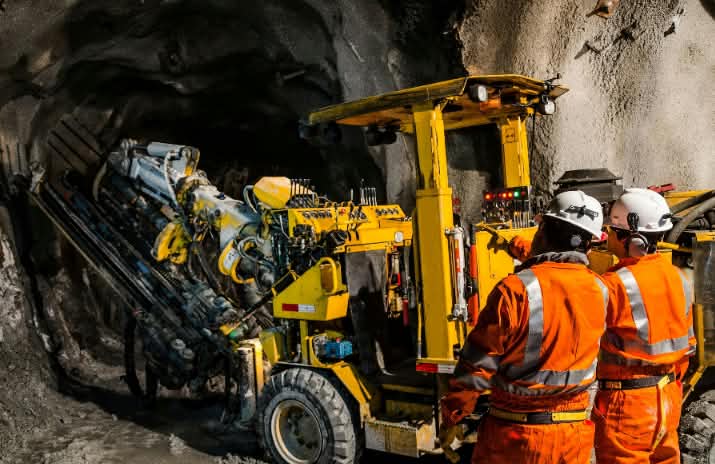
lAHORE — Advances in automation, robotics and digital monitoring are creating new opportunities to improve safety in the mining industry, but protecting workers’ rights and ensuring responsible use of technology remain essential, according to guidance and research published by the International Labour Organization (ILO).
Mining remains a hazardous occupation, with workers exposed to risks including underground collapses, machinery accidents, dust, harmful chemicals, excessive noise and poor ventilation. The ILO promotes international labour standards and practical guidance aimed at preventing workplace injuries and occupational diseases.
Automated machinery, remote-controlled equipment and digital monitoring systems can help reduce workers’ exposure to dangerous tasks. Sensors and monitoring technologies may also help identify unsafe conditions and provide earlier warnings of potential hazards.
However, technology does not eliminate every risk. Workers who operate, maintain or repair automated equipment may face new dangers, including equipment failures, unpredictable robotic movements and cyber-related disruptions.The ILO’s 2018 Code of Practice on safety and health in opencast mines addresses risk assessment and the use of automated machinery, reflecting the changing technological environment in mining operations.
The ILO’s Safety and Health in Mines Convention, 1995 (No. 176), sets out principles concerning mine safety, employer responsibilities and workers’ rights.These include assessing and controlling workplace risks, providing appropriate safety training, maintaining safe equipment, investigating accidents and ensuring access to suitable medical care.
The Convention also recognises workers’ rights to report hazards, consult on safety matters and remove themselves from situations that present a serious danger to their health or safety, subject to the Convention’s provisions and applicable national laws.
Effective protection requires cooperation between governments, employers, workers and their representatives.
Digitalisation Requires Training and Oversight
In its 2025 report, Revolutionizing Health and Safety: The Role of AI and Digitalization at Work, the ILO examines how artificial intelligence, robotics and digital tools are changing occupational safety and health.The report identifies potential benefits, including reduced exposure to hazards, while warning that new technologies can introduce risks that require careful assessment and effective safeguards.
For mining companies, this means ensuring that workers receive appropriate training, understand new equipment and can report problems without fear of retaliation. Safety systems should also be reviewed as technology and working practices change.
Building a Safer Mining IndustryAs demand for minerals grows, governments and mining companies face the challenge of increasing production while protecting the people who work in mines.
A sustainable approach requires investment in safer equipment, effective inspections, worker participation, occupational health services and enforcement of applicable labour standards.Automation can support safer mining operations, but technology alone cannot guarantee worker protection. Strong safety management and respect for workers’ rights remain essential to ensuring that industrial progress benefits both businesses and employees.
Sources:
Report by: Mirza Maqbool Baig I LAHORE 
i