
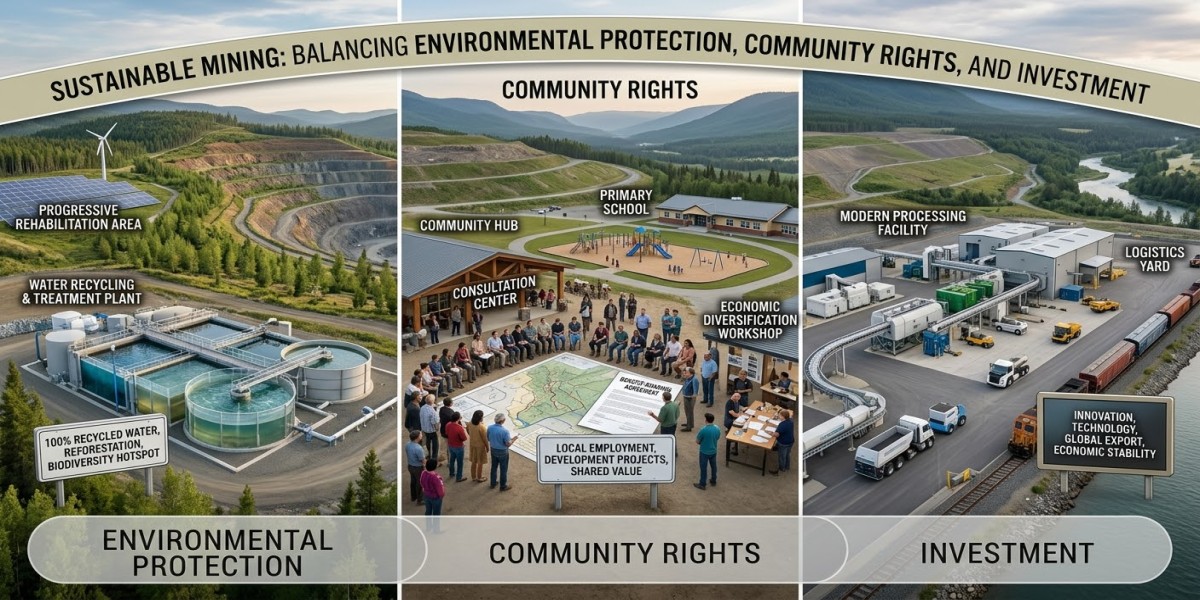
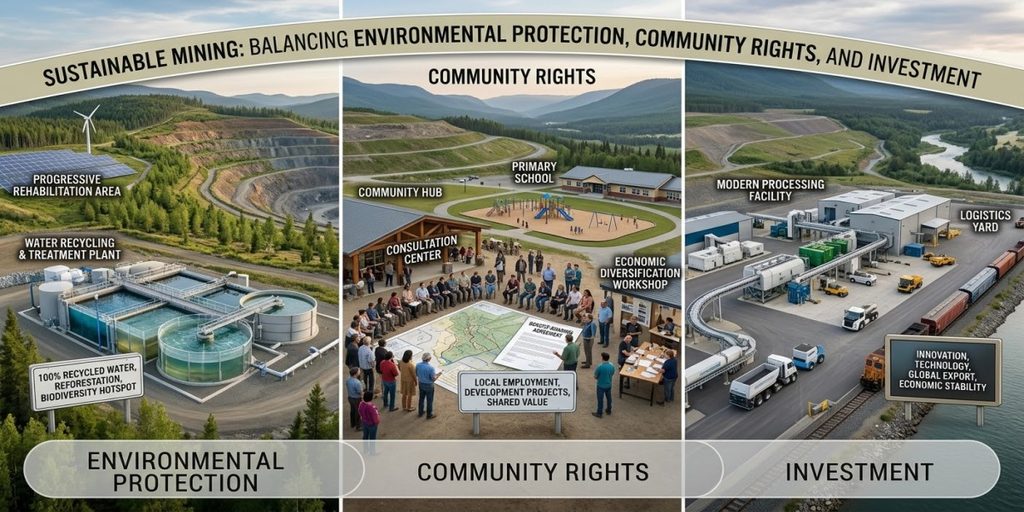
LAHORE: The growing global demand for metals and minerals is creating new investment opportunities for resource-rich countries. However, expanding mining activities also raises important questions about environmental protection, the rights of local communities and the long-term benefits of natural resource development.
The World Bank Group identifies extractive industries as an important area for economic development, particularly in countries seeking to generate employment, attract investment and strengthen domestic industries.
Minerals such as copper, lithium, nickel and other critical materials are increasingly important for electricity networks, transport systems and modern technologies
. Their growing importance has increased attention on how countries can develop mineral resources while managing environmental and social risks.
Mining can affect land, water resources, biodiversity and nearby communities if environmental risks are not properly assessed and managed.Responsible mining practices require effective environmental assessments, appropriate waste management, monitoring of water quality and plans to restore affected land. Governments and mining companies also need transparent oversight to ensure that environmental safeguards are implemented.
The scale and nature of these impacts vary according to the mineral being extracted, the mining method and local environmental conditions.Communities living near mining operations may experience changes in land use, access to water, livelihoods and local infrastructure.
In some circumstances, communities can also benefit from new jobs, public services and investment.
Ensuring that local people share in the benefits of mineral development requires meaningful consultation, transparent decision-making and accessible mechanisms for addressing complaints.
Respect for applicable land rights, labour standards and community interests is an important part of responsible resource development.For mineral-rich developing countries, the challenge is not simply to increase mineral production but to translate resource wealth into lasting economic benefits.
The World Bank Group’s work on metals and minerals highlights opportunities to attract investment, develop local industries and create jobs. Processing and refining minerals domestically may also allow some countries to capture more value from mineral supply chains, where these activities are technically, economically and environmentally viable.
Strong governance, clear regulations and public accountability can help countries manage revenues and ensure that mining contributes to broader development priorities.
As demand for critical minerals grows, governments, investors and communities face the task of balancing economic opportunity with environmental responsibility and social protection.
Sustainable mining ultimately depends on whether mineral development can support economic progress while safeguarding natural resources and respecting the rights and interests of affected communities
Report by: Mirza Maqbool Baig I LAHORE