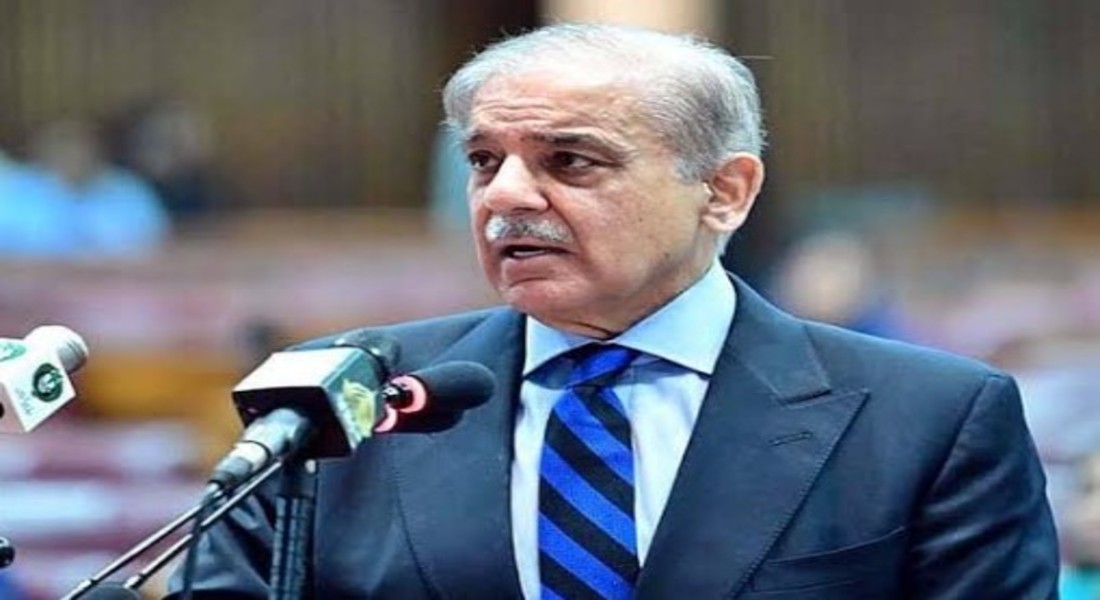
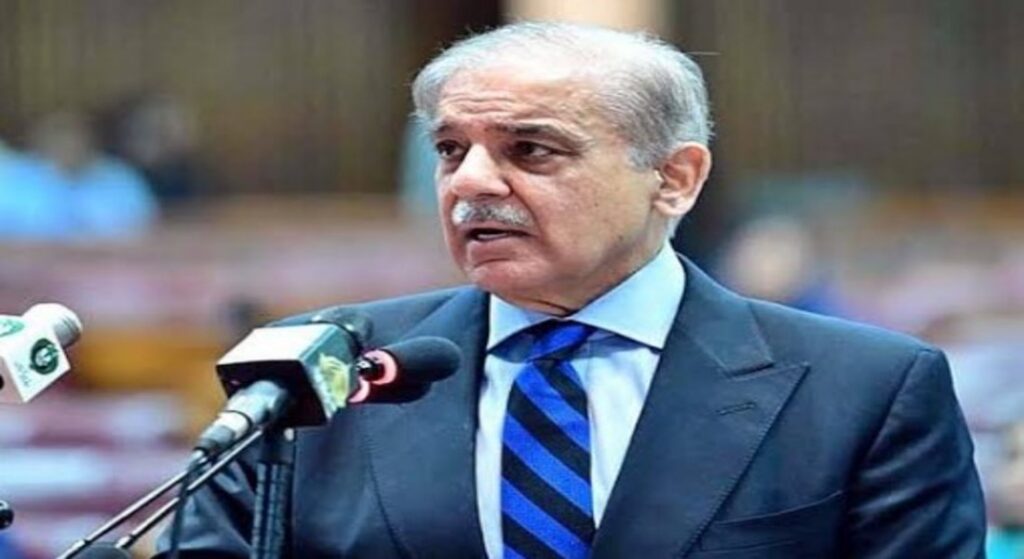
PESHAWAR: People from different backgrounds, tribal elders and political representatives have welcomed the Rs160 billion development package announced by Prime Minister Muhammad Shehbaz Sharif for Khyber Pakhtunkhwa. They said it was an important step to speed up development, create jobs and bring greater prosperity to the province.
The package was announced during the Prime Minister’s meeting with representatives of the Area Development Council for 12 districts where an emergency has been declared. It has raised new hopes, especially among people in the merged tribal districts and other areas affected by terrorism.
Tribal representatives, politicians and residents said the package came at an important time, as Khyber Pakhtunkhwa faces serious problems, including terrorism, unemployment, poverty, poor roads and buildings, and a lack of basic services.
Haji Shaukat Ullah, head of the 48-member Area Development Council for the 12 emergency districts and a former Khyber Pakhtunkhwa governor, called the Rs160 billion package historic. He said it could help restart business and development in some of the province’s poorest areas.
He hoped that federal government support, along with better administration and security, would help bring back peace and encourage investment and business activity.
Tribal elders and Maliks also welcomed the emergency in 12 troubled districts and the Governor’s Rule in the province. They said special constitutional steps were needed to deal with the security and government challenges facing residents.
He promised the federal government their full support in fighting terrorism and making Khyber Pakhtunkhwa peaceful and economically strong.
He said the tribal districts had faced a serious rise in terrorism in recent months, harming peace, education, health, businesses and daily life. He said tribal people had always supported Pakistan and made great sacrifices in the fight against terrorism.
“The tribal people have suffered deeply, but their loyalty to Pakistan has never weakened,” he said. He added that the Prime Minister had recognised the sacrifices of tribal elders and their strong connection to the country.
Shaukat Ullah said the tribal districts had many minerals and other natural resources. Their land and weather also offered good opportunities for growing olives, raising livestock and other farming businesses.
He said investment in these areas could create thousands of jobs for local young people, reduce poverty and give families a steady income after many years of unrest.
He also praised the federal government’s promise to address the shortage of wheat flour in the province. He welcomed the Prime Minister’s commitment to keeping basic food items available at affordable prices.
He said strict action should be taken against people who store goods to create shortages or charge unfairly high prices. He added that strong action by officials could quickly help ordinary people.
Shaukat Ullah hoped that the long-standing feeling of being left behind among tribal communities would slowly end, and that new development projects would bring peace, jobs and prosperity.
Unemployment figures also show the scale of the development challenge in Khyber Pakhtunkhwa and the need for the provincial governor to address it.
According to the Labour Force Survey 2024-25, Khyber Pakhtunkhwa had the country’s highest unemployment rate at 9.6 percent. The rate was 7.3 percent in Punjab, 5.5 percent in Balochistan and 5.1 percent in Sindh. The article said this showed the poor education policies of the PTI government.
The figures show the urgent need to create useful jobs, especially for young people, who make up a large part of the province’s population.
Experts said investment in education, roads and other facilities, industry, tourism, farming, minerals, information technology and small businesses could provide jobs and strengthen the provincial economy.
Former MNA Shahjee Gul Afridi welcomed the Prime Minister’s development package and said the government’s strong effort to end terrorism was just as important for the province’s future.
He said all eight merged tribal districts, as well as Dera Ismail Khan, Bannu, Lakki Marwat and Tank, had been badly affected by terrorism. This had disrupted daily life and slowed development.
He criticised what he called the PTI leadership’s silence about the worsening security situation and said peace was necessary for development.
He said people and police officers were being killed in terrorist attacks in Khyber Pakhtunkhwa, while Chief Minister Sohail Afridi was standing on a protest container for political gain.
He said the PTI government had failed to stop terrorism and strengthen the Counter Terrorism Department and police, despite receiving about Rs800 billion through the anti-terrorism share in the NFC Award.
Afridi welcomed the Prime Minister’s instructions to strengthen the Counter Terrorism Department (CTD), improve its work and complete Safe City projects in Khyber Pakhtunkhwa as a priority.
He also welcomed the promise that the federal government would provide the resources needed to fight terrorism and remove delays in development projects.
He said the Tribal Council should have more power to take part in development decisions and help people in the merged districts get justice faster. On education, he said one of the province’s biggest problems was the large number of children who do not attend school.
Figures from the Benazir Income Support Programme (BISP) and other education studies show that millions of children in Khyber Pakhtunkhwa are not in school, especially girls and children in remote and poor districts.
The problem is especially serious in some remote areas. Poverty, a lack of schools and other facilities, difficult travel and social barriers all keep children out of classrooms. Experts warned that a lack of education can harm people’s lives, social stability and economic growth for many years.
They said the development package should give special attention to schools, job training, girls’ education and skills that can help young people find work and take part in the province’s economic growth.
The finances of public universities also show the wider problems facing education in the province. Higher education received too little investment during the PTI’s 13 years in power in Khyber Pakhtunkhwa, and many public universities faced money problems.
A review of the finances of Khyber Pakhtunkhwa universities for 2021-2024, prepared by the Governor’s Secretariat, showed that universities had extra funds of Rs4.113 billion in 2021 and Rs3.938 billion in 2022. The expected extra funds fell sharply to Rs545 million in 2023-24.
The review said the fall was mainly due to hiring too many staff, rising prices and poor money management. Universities increased their income only slightly, while federal funding for public universities in Khyber Pakhtunkhwa continued to rise, reaching Rs10.954 billion in 2023.
The funding was meant to improve buildings and facilities, research, staff development and student support. The figures show that steady investment, better money management and changes to how universities are run will be needed to improve higher education in the province.
Several unfinished projects also show the need to carry out and check development work properly. The Arbab Niaz International Cricket Stadium in Peshawar, a major sports project, is still unfinished despite large spending and rising building costs.
Work on the Kalam Sports Stadium in Swat has also not started, showing the gap between making development plans and completing them.
Political representatives and community groups have said the success of the Rs160 billion package will depend not only on setting aside money, but also on spending it openly, finishing projects on time and checking the work properly.
Shahjee Gul Afridi said the Prime Minister’s promise of federal support for security problems and development projects had given people in affected districts hope.
He said the province needed a full plan covering security, roads and other facilities, education, jobs and investment. “Peace and development are linked. Without peace, investment cannot grow, and without jobs and income, lasting peace cannot be ensured,” he said.
Former minister Wajid Ali Khan also welcomed the Prime Minister’s package. He said it could help improve the lives of people in Khyber Pakhtunkhwa.
He claimed that poor management and corruption during the previous PTI provincial government had weakened public bodies, discouraged investment and slowed development.
He referred to alleged misuse of Rs100 billion in drinking-water projects and the reported Rs37 billion Kohistan corruption case. He called for public money to be spent openly and fairly, and said some contracts had been given to favoured people.
The Rs160 billion package has raised hopes that Khyber Pakhtunkhwa can move from insecurity and lack of development towards steady economic growth.
People in the merged districts see the package as especially important. After years of conflict and hardship, they continue to seek better roads, schools, hospitals, jobs, markets and access to justice.
The province’s minerals, tourist areas, farmland, livestock and young population offer many chances for economic growth if there is peace, good infrastructure and effective government.
For ordinary people, however, the real test will be what they see in their communities: a working school instead of an empty building, a finished road instead of a stalled project, a hospital with the equipment to treat patients, reliable electricity and water, and a job that lets young people build a future at home.
The Prime Minister’s Rs160 billion package is therefore seen not just as money for projects, but as a chance to connect development with the hopes of millions of people across Khyber Pakhtunkhwa.
If the package is carried out successfully, peace is restored and government improves, the province’s people and natural resources could support lasting growth and a new period of prosperity.
Reported By: Our Correspondent I Peshawar