BRUSSELS: The European Parliament is set to examine how taxation policies, particularly value-added tax (VAT), can support the circular economy, reduce waste and encourage the reuse of products and materials.
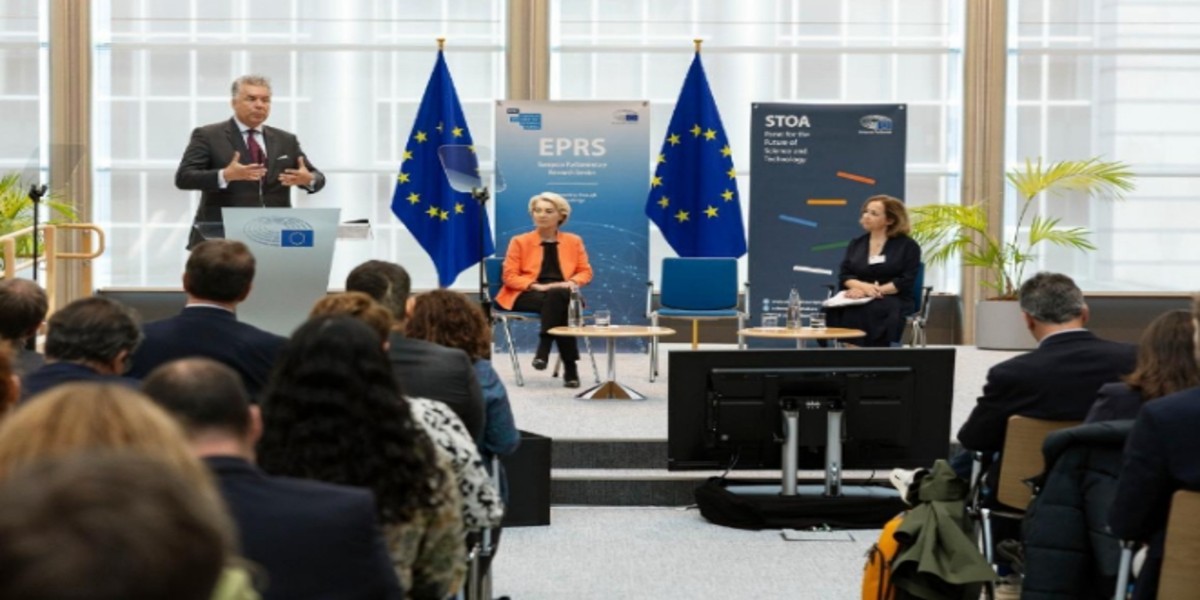
The Parliament’s Subcommittee on Tax Matters (FISC) will hold a public hearing on November 4, 2026, under the title “Closing the Loop: How Taxation Can Drive the Circular Economy.”
According to the European Parliament, the hearing will focus on whether existing EU VAT rules create obstacles to waste management, recycling and the reuse of materials. In certain circumstances, applying VAT to reused materials may result in double taxation, potentially discouraging more sustainable business practices.
The discussion will explore how tax incentives and changes to the existing tax framework could encourage businesses to extend the life of products, reduce waste and develop more sustainable production and consumption models.
The hearing comes as the European Commission prepares its forthcoming Circular Economy Act, which is expected to address tax-related measures supporting the transition towards a more circular economy.
A circular economy seeks to keep products and materials in use for longer, minimise waste and make more efficient use of natural resources. Supportive taxation policies could play an important role in encouraging businesses to adopt these practices.
The proposed policy discussions are also relevant to countries outside the European Union, including developing economies such as Pakistan, where waste management, recycling and resource efficiency remain important development challenges.
The public hearing will provide an opportunity to discuss how tax policy can contribute to environmental sustainability while taking account of the practical and financial implications for businesses.
Reported By: Mirza Maqbool I Guider News