
Human life is not a random sequence of events, nor is it a journey of uninterrupted happiness or endless suffering. It is a changing experience in which ease and difficulty, abundance and scarcity, fear and hope often exist side by side. From an Islamic perspective, this changing pattern invites us to reflect on the wisdom of Allah, the limits of our own understanding, and the responsibilities that come with being human.
We naturally welcome comfort and resist hardship. Yet a difficult season does not necessarily mean that a person has failed, just as material success does not automatically prove that a person is favoured above others. Blessings and trials take different forms, and people respond to them in different ways. The central question is not simply what we possess or what we endure, but how we respond with gratitude, patience, honesty, compassion, and trust in Allah.
Struggle is not unique to human beings. Every living creature faces the demands of existence. A powerful lion, for example, may go hungry, become injured, or fail repeatedly to catch its prey. Strength does not guarantee ease, and power cannot remove every difficulty. Human beings, however, have been granted reason, moral awareness, and the ability to reflect on their choices.
These gifts bring responsibility. We are called not only to endure life’s difficulties but also to respond wisely: to seek solutions, avoid injustice, help those in need, and learn from experience. Hardship is part of life, but it should never be used as an excuse to ignore suffering or to deny someone compassion.
The Qur’an reminds us: “Every soul will taste death” (Surah Al-Imran, Verse 185). Death is an unavoidable truth, even though people often live as if the present world will last forever. Our time here is limited, and this awareness can help us place our priorities in perspective. If worldly life is temporary, then wealth, status, influence, and possessions cannot be the final measure of success. What matters is how we use what we have been given and how we treat others along the way. Remembering death should not make life seem meaningless; rather, it can encourage us to live with purpose, humility, and care for the people around us.
No one experiences happiness every moment. Joy comes and goes, and worry may return even after a period of comfort. A life without any challenge is not a realistic expectation, while a life without hope can feel unbearable. Recognizing this natural movement can help us avoid judging our entire lives by a single painful day or a temporary success.
The Qur’an cautions believers not to fix their gaze on what others have been given: “Do not extend your eyes toward what We have given some of them to enjoy” (Surah Taha, Verse 131). Comparison can make a person overlook the blessings already present in their own life. Another person’s wealth, position, or apparent happiness tells us little about the burdens they carry or the responsibilities they must fulfil. We can admire another person’s success without treating it as evidence of our own failure.
Consider a simple illustration—not a literal calculation of divine judgement. One person may have considerable wealth, authority, and social influence, while another may have a modest income and few comforts. Outwardly, the first may appear more fortunate and the second more deprived. Yet each person faces a different set of responsibilities and challenges.
Wealth can provide opportunities to support a family, give charity, create jobs, and serve the community. It can also tempt a person towards arrogance, extravagance, unfairness, or misuse of power. Greater means can bring greater responsibilities. The Prophet Hazrat Muhammad ﷺ warned against pride; Sahih Muslim records a narration stating that a person with even a mustard seed’s weight of arrogance in the heart will not enter Paradise.
A person with limited means may face financial pressure, disappointment, and the emotional strain of comparing their circumstances with those of others. Their challenge may include patience, gratitude, perseverance, and protecting their faith while continuing to make practical efforts to improve their situation.
We should not assume that poverty is always a sign of divine favour or that wealth is always a sign of divine displeasure. Human beings cannot know the full wisdom behind another person’s circumstances. What we can do is respond to both wealth and hardship with humility and responsibility.
The Qur’an says: “There is no creature on earth except that its provision is upon Allah” (Surah Hud, Verse 6). For believers, this verse offers reassurance that human life is not beyond Allah’s knowledge and care. Trust in divine provision, however, does not mean abandoning effort or refusing help. We are still expected to work honestly, plan responsibly, seek lawful opportunities, and support one another.
Sometimes our prayers are answered in ways we did not anticipate, and sometimes we must wait without knowing why. It is better not to claim certainty about the hidden reason for every delay or disappointment. Instead, faith can help us remain hopeful while taking the next constructive step. We may not understand the outcome, but we can choose integrity in our actions and patience in the face of uncertainty.
More wealth can mean more choices, but it can also mean more obligations. Authority can enable service, but it can also expose a person to temptation and accountability. A modest life may offer its own forms of freedom and peace, although financial hardship should never be romanticized or dismissed.
The Qur’an reminds us: “And the Hereafter is better and more lasting” (Surah Al-A’la, Verse 17). This perspective places worldly possessions in their proper place. Our worth is not determined solely by income, rank, property, or public recognition. Contentment does not require us to stop striving for a better life; it means pursuing improvement without allowing envy or dissatisfaction to consume us.
Happiness is often tied to changing circumstances, while contentment is a steadier way of meeting those circumstances. Contentment does not mean pretending that pain is pleasant or that injustice should be accepted without action. It means acknowledging reality, doing what is within our power, and refusing to let disappointment destroy our sense of purpose.
The Qur’an offers hope: “Do not despair of the mercy of Allah” (Surah Al-Zumar, Verse 53). It also teaches that whoever is mindful of Allah will be granted a way forward and provided for from sources they could not have anticipated: “Whoever fears Allah, He will make for him a way out and provide for him from where he does not expect” (Surah Al-Talaq, Verses 2–3). These promises are not an invitation to passivity; they are a reason to keep faith while continuing to act wisely and ethically.
When life becomes overwhelming, seeking help is not a failure of faith. Speaking with trusted family members, a qualified counsellor, a doctor, or a community support service can be an important part of caring for oneself. A person in deep distress deserves compassion, practical support, and safety—not blame or judgement.
A useful way to evaluate our lives is to reflect on three foundations: sincerity of intention, honest and consistent effort, and acceptance with responsibility. We should ask ourselves whether we are trying to do what is right rather than merely seeking praise or approval; whether we have taken reasonable steps, learned from mistakes, and treated others fairly; and whether we can acknowledge what is beyond our control while continuing to work on what we can change.
An unsuccessful outcome does not automatically make sincere effort worthless. Sometimes a plan fails, an opportunity disappears, or the result differs from what we hoped for. We should review our decisions, correct what needs correcting, and continue with humility. Trust in Allah can coexist with learning, planning, and perseverance.
The true test of life is not whether we experience only comfort or avoid every setback. It is whether we remain grateful when we receive blessings, patient when we face difficulty, humble when we succeed, and hopeful when the road ahead is unclear. These qualities help us respond to life without becoming arrogant in prosperity or defeated by hardship.
This understanding should also shape how we treat other people. We must not judge a struggling person as weak in faith, nor assume that a wealthy person has an easy life. We should offer support rather than comparison, justice rather than indifference, and encouragement rather than blame. Faith becomes visible not only in what we believe but also in the mercy and fairness we show to others.
Worldly circumstances change. Wealth can disappear, status can fade, and difficult seasons can give way to relief. What endures is the moral and spiritual character we cultivate and the good we do. The divine design of life, as understood through faith, calls us to live responsibly in this world while keeping our hopes directed towards the Hereafter.
When we cannot understand every turn in the road, we can still choose our response: gratitude in abundance, patience in deprivation, humility in success, effort in uncertainty, and hope in hardship. Such a life does not promise freedom from pain; it offers a meaningful way to move through pain without surrendering compassion or trust.
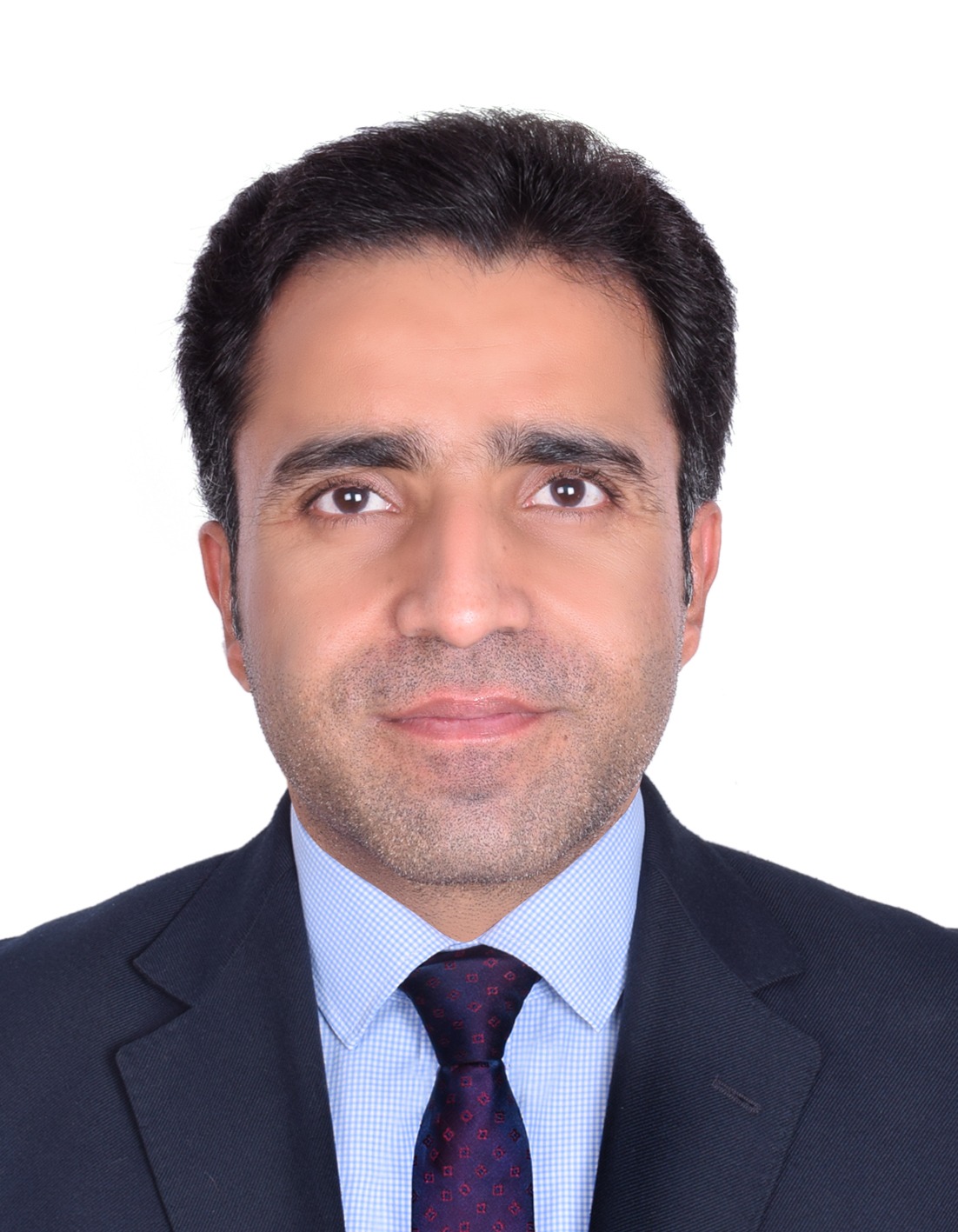 Written By: Imtiaz Ahmed Khan I
Imtiaz Ahmed Khan is an educationist teaching Cambridge O/A Level and IGCSE, with master’s degrees in English Linguistics and Literature and Information Technology. He researches safe digital childhood, focusing on children’s digital safety. Reader can be approaches at khanimtiaz1523@gmail.com