ISLAMABAD: Artificial intelligence and digital learning platforms are creating new opportunities for students, teachers and educational institutions, while raising important questions about accuracy, privacy and equal access to technology.
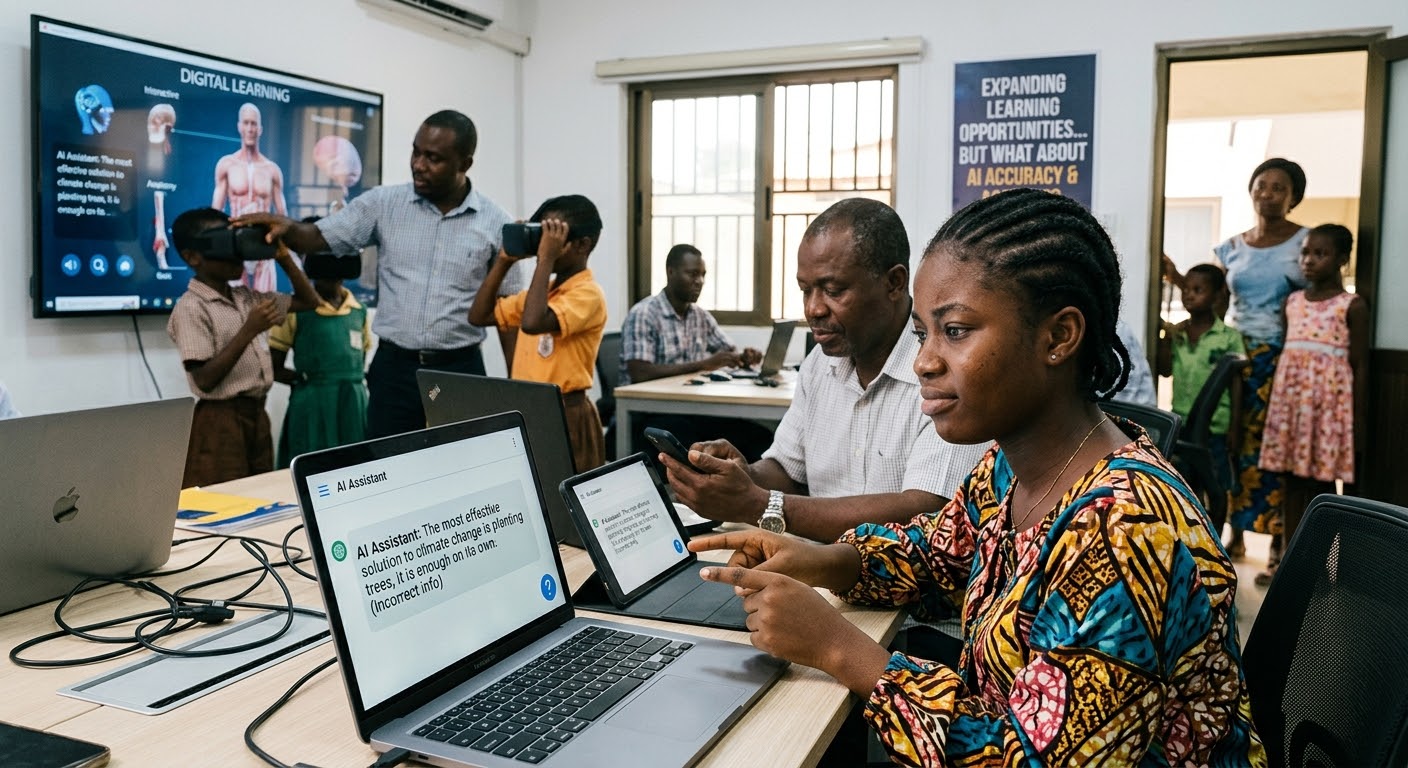
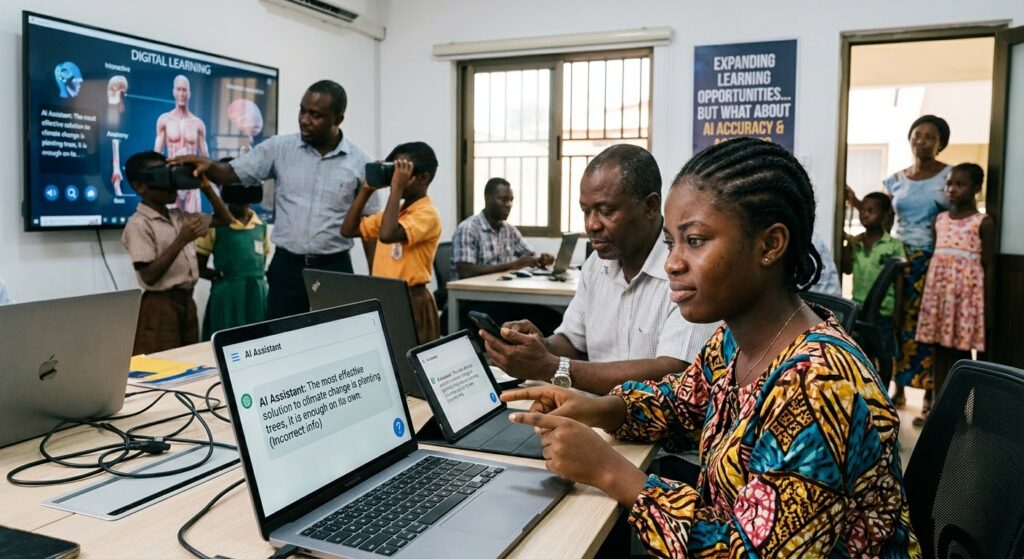
AI-powered tools can help learners practise languages, understand difficult concepts and organise study materials. Teachers may also use digital platforms to prepare lessons and provide additional learning support.However, experts caution that AI-generated answers are not always accurate and may contain misleading information.
Students who rely on these systems without checking their responses risk learning incorrect facts or overlooking important context.
Data privacy is another concern, particularly when young users enter personal details into online platforms. Schools and families need clear guidance on responsible use, including the protection of personal information and the importance of verifying sources.Access remains uneven.
Students in areas with limited internet connectivity, unreliable electricity or fewer digital resources may not benefit equally from new educational technologies.Education authorities can address these challenges through teacher training, digital-literacy programmes and practical guidelines for using AI responsibly.
Technology should support learning rather than replace teachers, independent thinking or direct engagement with reliable educational materials.Journalists covering education and technology can help the public by examining evidence, speaking to educators and students, and distinguishing demonstrated benefits from promotional claims.
The future of digital education will depend not only on technological progress but also on responsible implementation, equitable access and effective human supervision.
Reported By: Mirza Maqbool Baig I Guider News I Lahore