
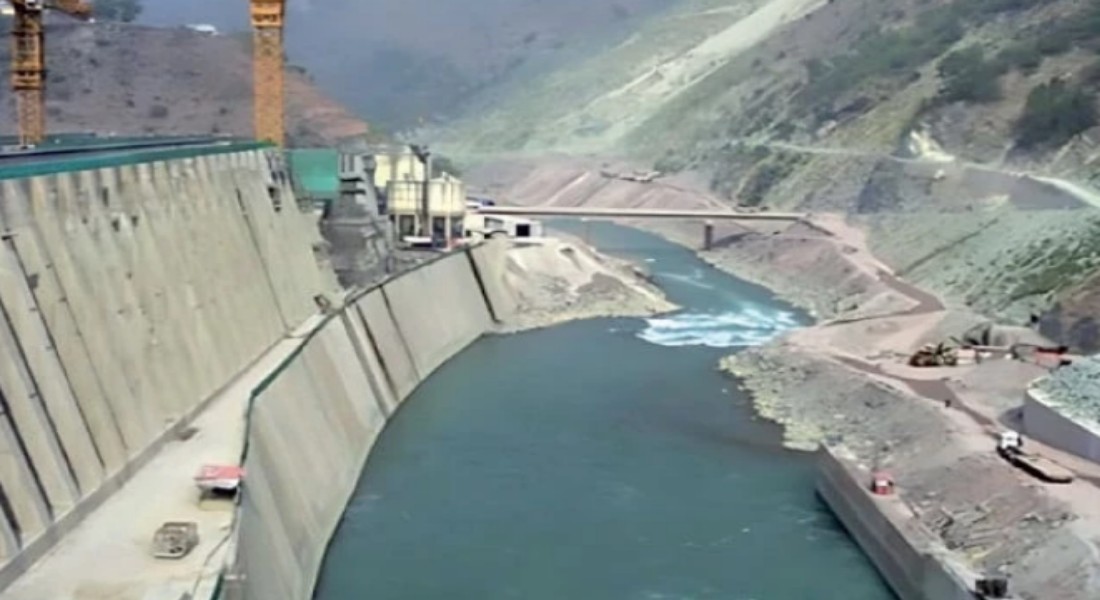
ISLAMABAD: Pakistan has revised the cost of the under-construction Mohmand Dam to Rs666 billion, a 115% increase over the past eight years. Officials mainly linked the rise to the fall in the value of the rupee since 2018.
Mohmand Dam is one of three major reservoirs being built to increase Pakistan’s water storage.
The new cost estimate was presented at a meeting of the Central Development Working Party (CDWP) this week. Officials said the meeting could not consider it because there was not enough time. The CDWP is the first step in approving major projects. Proposals are then sent to the Executive Committee of the National Economic Council for final approval.
The Water and Power Development Authority (Wapda), which is building the dam, has estimated the revised cost at Rs666 billion, according to officials who reviewed the documents.
In 2018, the government approved the project at a cost of Rs310 billion and set a September 2025 completion deadline. The cost has since risen by Rs356 billion, or 115%, according to officials.
The project was expected to be completed by 2025. However, delays were caused by the fall in the rupee’s value against the dollar, rising costs, design changes, the 2022 floods and security issues, according to the project team’s explanation to the Planning Commission.
The dam is being built by a joint venture of China Gezhouba Group Company Limited and Pakistan’s Descon Engineering Limited.
Planning Commission officials said Wapda reported that the fall in the rupee’s value accounted for 51% of the cost increase. They said the project’s costs include both local and foreign payments. Changes in the dollar exchange rate have raised the rupee cost of the foreign payments.
The fall in the rupee’s value affects both households and major projects because Pakistan relies heavily on imported goods and resources. The rupee-dollar exchange rate has again drawn attention after the World Bank said this week that Pakistan’s currency was not responding freely to market changes.
The World Bank estimated that, as of June, the difference between the market exchange rate and the official daily rate was 10%. This was slightly higher than the 8% difference estimated by the central bank using its Real Effective Exchange Rate measure.
The Planning Commission asked Wapda to provide details of payments set in dollars and explain how exchange-rate changes could affect the project’s cost.
Officials said foreign payments cannot simply be converted using the latest exchange rate without checking the contract terms and the payments actually due. The contracts and their rules for exchange-rate changes need to be reviewed.
Project documents show that about 57% of the physical work had been completed by last month, with Rs275 billion spent.
The Executive Committee of the National Economic Council approved the project in April 2018 at a cost of Rs310 billion, including Rs71.5 billion in government funding.
Under the proposed new estimate, the dam’s cost will rise to Rs267 billion, an increase of Rs153 billion, or 134%. The cost of power generation will rise to Rs399 billion, up by Rs204 billion, or 105%.
When completed, the project will add 1.29 million acre-feet to Pakistan’s water storage capacity and generate 2.9 billion units of electricity for the national grid. It will also provide Peshawar with 300 million gallons of drinking water each year.
The Mohmand Dam Hydropower Project is important for Pakistan because it will help address water shortages, energy needs and the risk of floods caused by climate change.
The project suffered major setbacks during the 2022 floods, when high water levels in the Swat River damaged diversion tunnels. Work stopped for a long period, according to the project team’s explanation to the Planning Commission.
The Planning Commission said the project showed the delays and other problems affecting several major Wapda projects.
It recommended an independent review of the project’s spending, completed work, changes to the work plan, cost increases, delays, funding arrangements and other issues.
The commission also recommended updating the financial plan. This should include the federal government’s share through the Public Sector Development Programme, any provincial contribution and loans from foreign lenders.
Reported By : Our Correspondent I Islamabad