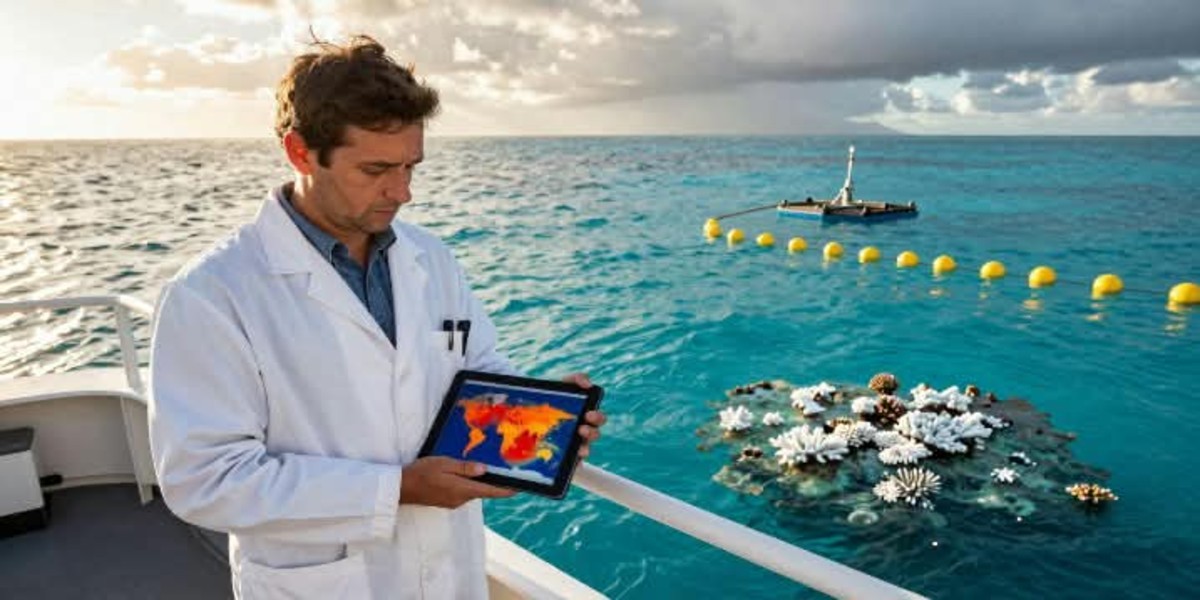
UNITED NATIONS: The United Nations has called for urgent international cooperation to protect marine ecosystems as climate change, overfishing, plastic pollution and biodiversity loss intensify pressure on the world’s oceans.
The warning came with the release of the third World Ocean Assessment on World Oceans Day, drawing on the collective work of nearly 600 experts from 86 countries to examine the environmental, economic and social conditions affecting the marine environment. According to the UN assessment, approximately 16 percent of the total increase in ocean heat content recorded since 1955 occurred from 2018 onward, highlighting the accelerating impact of global warming on marine ecosystems.
The report also found that the rate of global sea-level rise increased from less than 2 millimetres annually before 2015 to 4.3 millimetres in 2023.Plastic pollution remains another major threat.
An estimated 52.1 million tonnes of plastic waste enter the oceans each year, contributing to approximately 24.4 trillion microplastic particles and affecting more than 4,000 marine species.
The assessment further noted that only 27.3 percent of the ocean floor had been mapped as of 2025, leaving significant gaps in scientific understanding of deep-sea ecosystems and the cumulative effects of human activities.
UN Secretary-General António Guterres warned that the ocean could no longer be treated as an unlimited resource and called for an approach based on scientific evidence, international law and shared responsibility.The report also highlighted the importance of marine resources to food security, employment, coastal livelihoods and economic development.
Small-scale fisheries employ approximately 60.2 million people worldwide and produce 25.1 million tonnes of fish annually, according to the assessment.However, many coastal and Indigenous communities continue to face barriers to accessing marine resources and participating in decisions affecting their livelihoods.
The assessment identified stronger coordination between international institutions, improved implementation of existing treaties and greater inclusion of local and Indigenous knowledge as important steps toward more effective ocean governance.Although international agreements have strengthened the framework for marine conservation, the UN report warned that fragmented governance and inadequate coordination continue to limit progress.
The findings underscore the need for governments to strengthen marine protection, reduce pollution, promote sustainable fisheries and ensure that the benefits of ocean resources are shared more fairly.
Reported By: Mirza Maqbool Baig I Guider News