
By Farrukh Baseer
Social media (X, Instagram, Facebook, TikTok, YouTube and WhatsApp) have become the most powerful means of communication in today’s world. They are not only an instant source of information but are also profoundly changing public opinion, social attitudes and economic activities.
Like other sectors, social media has fundamentally changed our style of politics as well, as a result of which politicians now interact directly with the public instead of media houses. Social media has now brought politics closer to the people. Political leadership now reaches voters directly, which has reduced the cost of their election campaigns.
The Arab Spring, the PTI movement in Pakistan, the recent changes in Bangladesh and Sri Lanka and Trump’s 2016 victory in the US are well-known examples of the power of social media.
People now sit on social media and hold political parties accountable rather than protesting on the streets, and this news spreads quickly. However, due to fake news, propaganda, polarization and algorithms, these have also become “echo chambers”.
People only see posts that confirm their thoughts, which increases social division and election interference, trolling and cyber attacks have become common. As a result, today’s politics now depends on “attention”.
The leader who is more active and viral on social media, his chances of winning increase. Along with this, social media has also changed our social relationships, values and attitudes, while socially it has become a powerful tool of “social engineering” that can change public opinion in a matter of hours.
Social media is not entirely good or bad, but it is a powerful tool. It depends on you how you use it. Due to the lack of solid legislation in developing countries like Pakistan, social media users seem to be victims of some scandal or legal complications every day, but its effects are more visible on our politics.
In this regard, the People’s Information Bureau Central Punjab organized a one-day training workshop in the remote Khushab district of the province on the importance of social media and the effectiveness and use of its tools, which was hosted by District President Malik Ali Saul Awan and his team.
The team consisting of Punjab Secretariat In-charge Naseem Sabir Chaudhry, Deputy In-charge Mudassar Shakir, Social Media Coordinator Basharat Ali and Yasir Bukhari, led by Provincial Secretary Information, organized this event with great success.
It would not be out of place to say that the success of this workshop was due to the contributions of District General Secretary Basit Rajar and Secretary Information Ghulam Akbar Bhatti, Mirza Kashif and Coordinators Dr. Naeem Sadiq, Hamdullah Khan, Malik Asad, Yasir Nasrullah and Sohaib. Mushtaq proved with his teamwork that the impossible can be made possible with determination, will and courage.
The secretaries and deputy secretaries of information of 26 districts of 7 divisions of People’s Information Bureau Central Punjab, led by their divisional and district presidents, reached the spacious venue decorated at the camp of host Malik Ali Saul Awan. However, the delegation led by General Secretary Rawalpindi Division Khalid Nawaz Bobby won the hearts of everyone in this workshop and Secretary Information Shahzad Saeed Cheema stood on the stage and acknowledged their personal interest and organizational capabilities.
Addressing the workshop on the stage decorated with a huge tricolor of SMDs and Pakistan People’s Party in the meeting hall, Ahmed Rehman Ghuman, Abdul Razaq Saleemi, Sohaib Mushtaq, Roy Rashid, Usman Satti, Zainab Qureshi, Umaima Iftikhar, Maysam Abbas, Abdul Rashid and others discussed the use of storytelling, X, Insta, TikTok, Facebook, YouTube, WhatsApp and Highlighting the usefulness of other social media tools, he said that everything Chairman Bilawal Bhutto says can become a party narrative.
We will have to create a party narrative by highlighting public issues. In 2011, we had only 12 Twitter accounts and 4 in Punjab. People like Zainab Qureshi, Ahsan Rizvi, Umaima Iftikhar have become the identity of the PPP today due to the effectiveness of social media.
The speakers said that there is a need to increase the party’s content writers, establish a rapid response team in Punjab and further improve the PPP’s media coordination. 40 percent of the 2018 election, 80 percent of the 2024 election was fought on social media, while the 2029 election will be fought 100 percent on social media. In today’s era, Twitter space is as important as the nightly current affairs program.
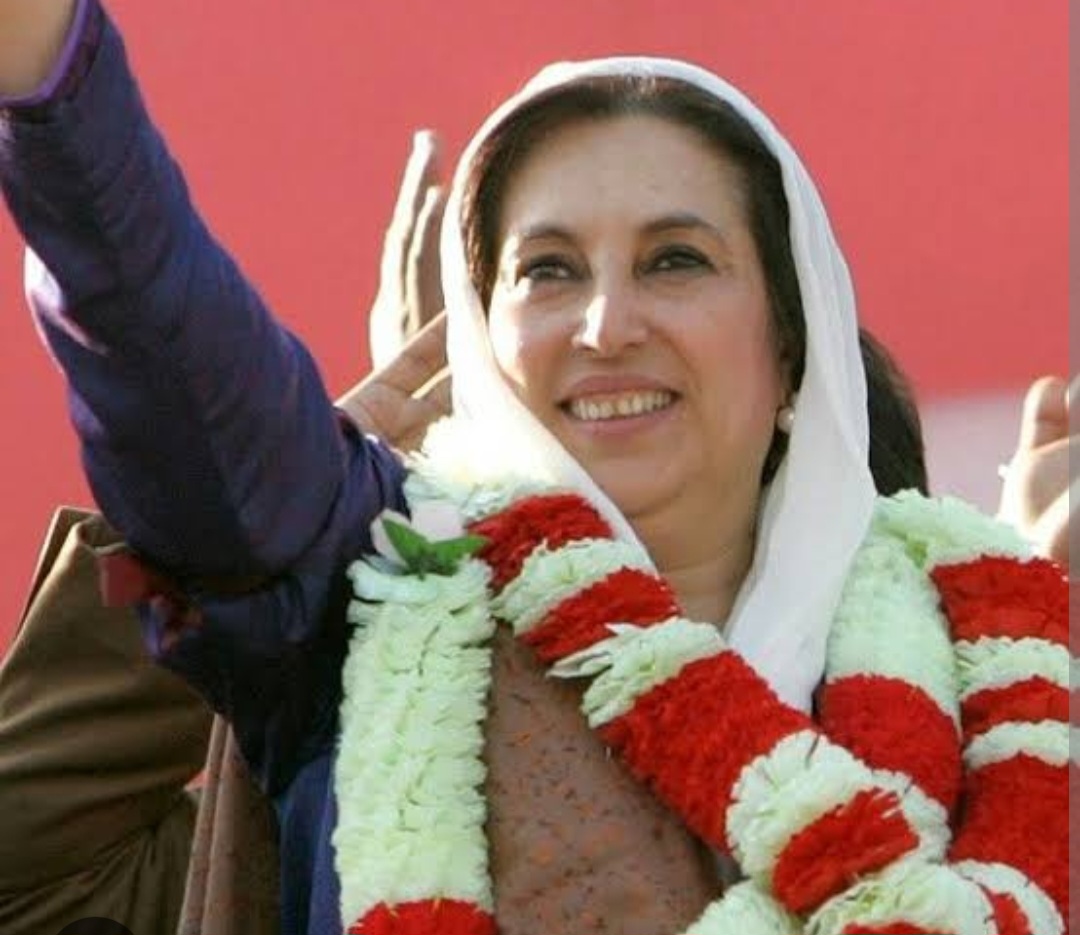
Use the speeches of PPP worker Bhutto and Bibi Shaheed as content. We have to raise our voice for BISP, increase in wages and the backward classes. We will discuss party ideology on Monday, tehsil issues on Tuesday, youth issues on Wednesday, party performance on Thursday, farmers and laborers issues on Friday, party events on Saturday and party statements on Sunday.
We can move forward by focusing on, without discipline, communication and cooperation, we cannot create a successful social media narrative, Twitter is a battlefield in politics where the narrative is created and spread, we need to make the message of the PPP clear and public.
While addressing the workshop, the chief guest Shahzad Saeed Cheema said that the PPP is and will remain a national asset, due to the foreign achievements of Chairman Bilawal Bhutto, Pakistan has achieved a high position in the world today, political coordination cannot be done without hard work and commitment, without believing in ourselves.
we cannot make the PPP successful in Punjab. In the ceremony, Rawalpindi, Sahiwal and Gujranwala divisions supported the next workshop. Host Malik Ali Saul Awan thanked the party participants who came from far away.