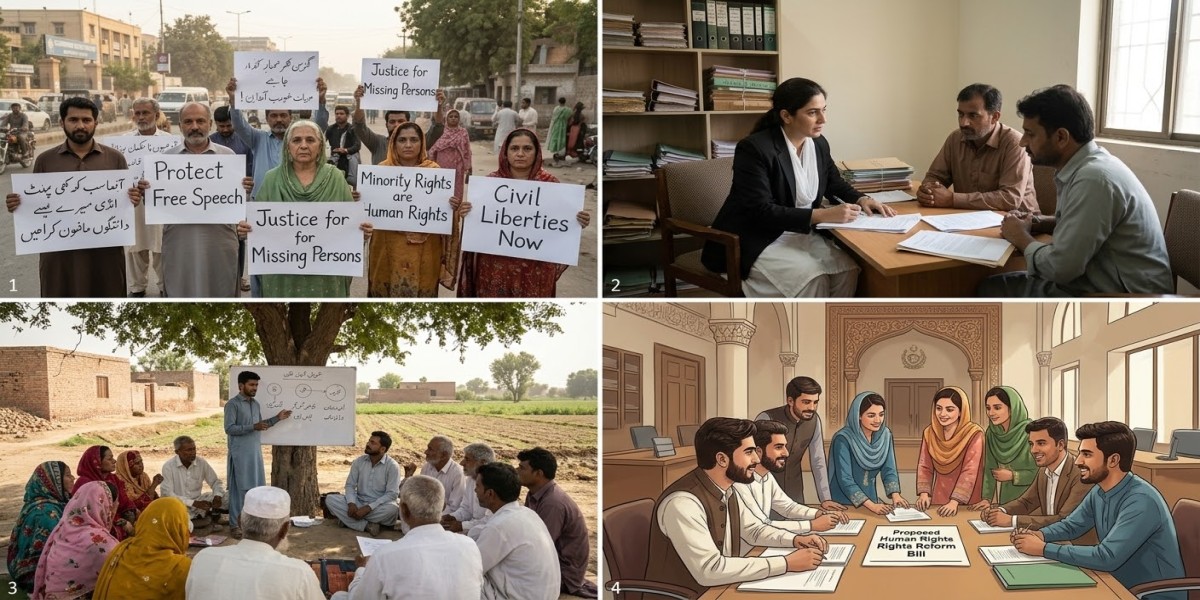
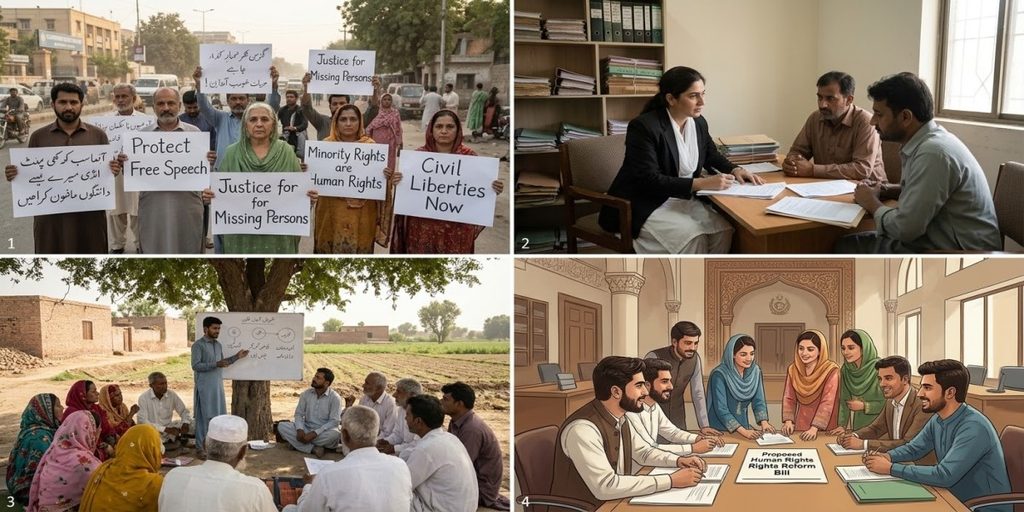
LAHORE: The protection of human rights and civil liberties remains an important issue for Pakistan as the country continues to face challenges relating to freedom of expression, access to justice, equality before the law and the protection of vulnerable communities.
Human rights are recognised under Pakistan’s Constitution and international human rights instruments. However, translating these legal protections into effective safeguards in everyday life remains a significant responsibility for government institutions, law enforcement agencies, the judiciary and civil society.
Pakistan’s Constitution provides protections relating to fundamental rights, including equality before the law, safeguards concerning life and liberty, freedom of expression, peaceful assembly and freedom of association, subject to the relevant constitutional provisions and lawful restrictions.
Internationally, the Universal Declaration of Human Rights establishes principles of equality, dignity, freedom and justice. The International Covenant on Civil and Political Rights also sets out obligations concerning civil and political rights for states that are parties to the treaty.
The practical implementation of these principles requires effective institutions, transparent procedures, independent oversight and accessible legal remedies for people whose rights may have been violated.
Freedom of expression and an independent media are essential to public accountability and informed debate. Journalists play an important role in reporting public-interest issues, examining government decisions and giving visibility to the concerns of communities.
A safe environment for journalists, clear legal safeguards and transparent procedures are important to ensure that restrictions on expression comply with constitutional and international standards. Concerns about intimidation, arbitrary restrictions or pressure on media professionals should be addressed through credible investigations and appropriate legal remedies.
Access to justice remains central to the protection of civil liberties. People should be able to seek legal assistance, report abuses and pursue complaints without discrimination or unnecessary barriers.
Women, children, religious minorities, persons with disabilities and economically disadvantaged communities may face particular obstacles in accessing protection and justice. Strengthening legal aid, improving public awareness and ensuring that complaints are investigated fairly can help make fundamental rights more accessible.
Effective human rights protection depends not only on legislation but also on implementation. Relevant institutions need adequate resources, transparent complaint mechanisms and safeguards against abuse of authority.
Independent monitoring, timely investigations and the publication of reliable information can help build public confidence. Civil society organisations, professional associations, universities and media outlets can also contribute through research, public education and evidence-based reporting.
Experts and human rights advocates commonly emphasise the importance of strengthening the rule of law, protecting freedom of expression, improving access to justice and ensuring equal treatment under the law.
For Pakistan, sustained progress will require cooperation among public institutions, civil society, legal professionals and the media. Assessing progress through verifiable evidence, transparent reporting and meaningful accountability can help identify gaps between legal commitments and people’s experiences.
The protection of human rights is not solely a legal obligation; it is also an important foundation for public trust, social stability and inclusive development. Ensuring that constitutional guarantees are respected in practice remains essential to strengthening democratic institutions and protecting the dignity of every individual.
Report by: Mirza Maqbool Baig I LAHORE