
The best thing you can do is focus on yourself. There is a quiet relief that comes with this realization. You stop over explaining. You stop convincing. You stop carrying responsibility for someone else’s behaviour. Because trying to change people is exhausting; it keeps you stuck in cycles of hope and disappointment.
When you finally understand that transformation is a personal decision, the shift begins. Your energy returns to you. Your questioning changes: from “How do I make them understand?” to “Why do I have to tolerate what hurts me?” Focusing on yourself is not selfish, it’s strategic.
It’s choosing to invest in the only place where change is guaranteed to happen. And the moment you redirect your energy inward, clarity replaces control.
When you stop chasing others, you might just find yourself; stopping the chase can lead to self-discovery and a sense of freedom. You start focusing on your own path, passions, and growth. It could be a path to inner peace, how you respond to situations. When you focus on your own reactions, you might find more calm and composure. It’s like embracing the concept of “what is, is” and finding peace in acceptance.
In the first place, why should there be a need to change anyone? Why should anyone have to change to fit someone else’s mould? We can embrace individuality. People are going to be themselves, and that’s actually what makes life interesting.
That’s stoic mindset embracing the present, focusing on what you can control, and letting go of what you can’t. It’s like being the rock in the river the water flows around it, but the rock remains steady. Stoics practice self-awareness, resilience, and indifference to things beyond their control.
Epictetus, a former slave turned Greek Stoic philosopher, said, “The impediment to action advances action. What stands in the way becomes the way.” He emphasized focusing on what you can control and letting go of external events.
Likewise, Marcus Aurelius, a Roman emperor, wrote “Meditations”, in which he too focused on self-reflection, resilience and living in the present. His mantra? “The universe is change; our life is what our thoughts make it.”
Let’s dive into The Dichotomy of Control, a core stoic idea by Epictetus. It says there are things within your control (thoughts, actions, choices) and things outside (other people, events, outcomes). Focus on the former, let go of the latter. Let’s say you’re preparing for an important presentation. Things within your control: your preparation, your attitude, your delivery.
Things outside your control: the audience’s reaction, whether the presentation gets approved and external interruptions. So focus on preparing well, stay calm, and deliver your best. Let go of the outcome.
Stoics also believed in Amor Fati accept life as it is, including the tough parts. It’s about embracing everything that happens, good or bad, as part of your path. Imagine you miss a flight due to traffic. Instead of stressing or complaining, you say, “This is what happened. I’ll make the most of it.” And maybe you discover a new café at the airport, catch up on work or call a friend.
It’s about embracing the twist and turning it into something positive or useful. Nietzsche called it “loving your fate”. Another key one is Virtue as the only true good. Stoics focused on being a good person, acting with wisdom, justice, and courage, regardless of external circumstances. Suppose you’re facing criticism or hardship, but you respond with kindness and integrity.
Stoics say that’s where true goodness lies – in your character and actions, not in external actions. For example, a friend betrays you, but you choose forgiveness and understanding. Your virtue (forgiveness, compassion) remains intact, irrespective of the outcome.
How to apply these stoic principles? Here are some key points:
- Focus on what you can control: Distinguish between what’s within your power and what’s not. Control your thoughts, actions, and reactions. Imagine you’re stuck in traffic. You can’t control the traffic, but you can control how you react – listen to a podcast, practice deep breathing, or simply accept the delay.
- Live in the present: Emphasis on staying present and letting go of past or future worries. Try mindfulness exercises like focusing on your breath or surroundings. When walking, pay attention to your footsteps, the air on your skin.
- Negative visualization: Imagine worst-case scenarios to prepare yourself mentally and appreciate what you have. This can be good planning for potential setbacks. For instance, “What if I lose my job?”
- Self-reflection: Regularly examine your thoughts, actions, and values. Set aside time daily to journal or meditate. Ask yourself: What did I do well today? Where did I react poorly? How can I improve tomorrow?
- Indifference to external outcomes: Focus on effort, not outcome. Results are beyond our control. Instead of “I need this deal to succeed”, say “I’ll give it my best.”
Cultivate your inner strength. It’s not about suppressing emotions, but understanding what’s within your power. Letting go isn’t giving up; it’s understanding life’s temporary nature with maturity. Peace begins when you stop confusing possession with meaning or purpose and it grows when fear of loss is replaced by gratitude for the moment. What truly matters is what you experience and carry within.
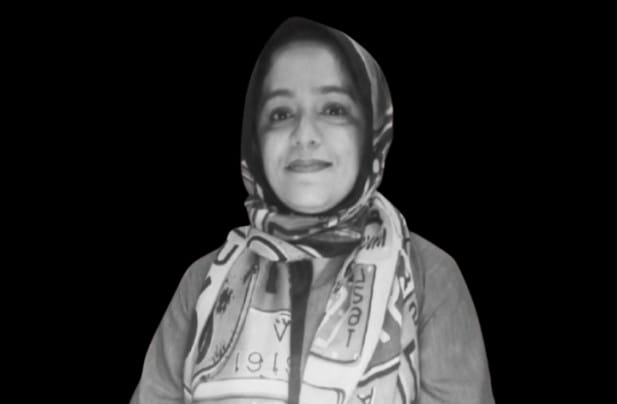 The writer is a published author, former teacher and a freelance contributor. She can be reached at sanamujahid6@gmail.com.