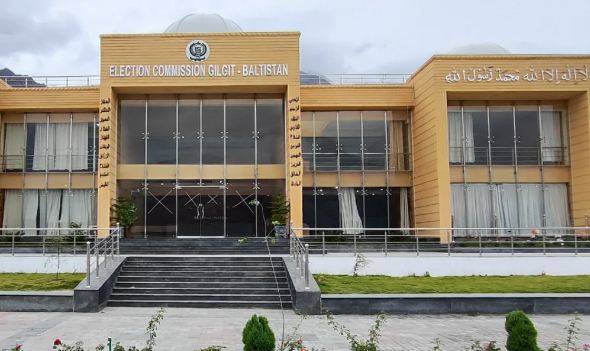
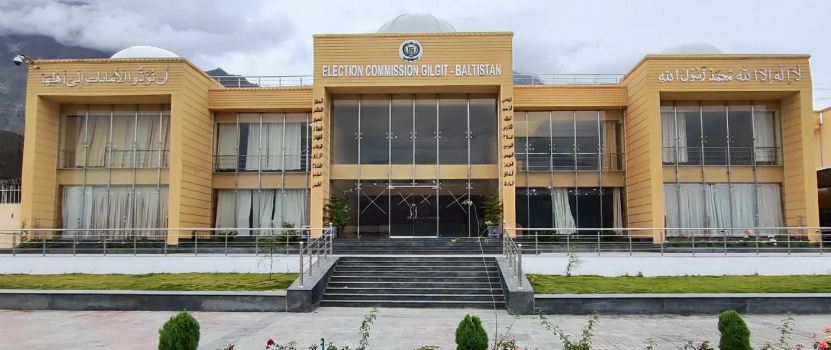
The Government of Pakistan’s remote polling ensures fair representation for all citizens, wherever they live.
Across Pakistan today, millions of citizens live far from their ancestral homes. Whether in Lahore, Islamabad, Karachi, or other major urban hubs, they are driven by the pursuit of education, employment, and business.
However, when election season arrives, these citizens face a daunting barrier: they must travel hundreds of miles to cast a single vote. For a vast majority, this journey is simply impossible, leaving their voices unheard.
The Economic Barriers to Voting for Gilgit-Baltistan Residents in Major Cities
With rising inflation, skyrocketing travel costs, and an energy crisis that has already crippled the average citizen’s purchasing power, traveling to one’s home district to vote has become a luxury few can afford.
I see this reality in my own life. While I may passionately support my preferred candidate on social media, I likely won’t be able to cast a physical ballot. I find myself in the same position I was in during the 2015 and 2020 elections—a spectator rather than a participant.
This isn’t just my story; it is the story of thousands of people from Gilgit-Baltistan (GB) who are settled in big cities but remain deeply invested in the future of their homeland.
Outdated Electoral Systems in Pakistan Hinder Democratic Participation
While the world embraces advanced electoral systems such as postal voting, remote polling, and e-voting Pakistan remains tethered to an obsolete and traditional framework. It is the democratic and constitutional right of every citizen, regardless of their current location, to choose the representative who will lead their district.
“Why should a citizen’s geographical location determine their right to participate in democracy?”
Pilot Projects for Remote Voting Could Transform Voter Engagement in Gilgit-Baltistan
Currently, government officials and employees of specific institutions enjoy the privilege of postal ballots. There is no reason this right should not be extended to the common citizen living away from home.
The Government of Pakistan should take the following steps:
- Launch pilot projects by setting up special polling stations in major cities like Lahore, Islamabad, and Karachi.
- Ensure that voters from Gilgit and Skardu residing in these metros can vote without the burden of expensive travel.
- Implementing remote polling will naturally lead to a significant increase in voter turnout, bringing thousands of “marginalized” voters back into the democratic fold.
Modernizing Pakistan’s Electoral Infrastructure for a More Democratic Future
Remote polling booths are not just a convenience; they are a necessity for a fair and inclusive election. Until we modernize our electoral infrastructure, thousands of citizens from Gilgit-Baltistan will remain practically disenfranchised, possessing a vote on paper but unable to exercise it in reality. It is time to bridge the distance between the voter and the ballot box.
 Written by Basharat Abidi I May 9, 2026